What to Plant in Punjab This January: A Practical Guide for Farmers and Home Gardeners
January falls smack dab in the middle of Punjab’s Rabi season – the golden period of cool weather that makes it the perfect time to plant many of the region’s favorite vegetables. So, if you’re thinking about your farm land or your backyard garden, and wondering what you can plant now...
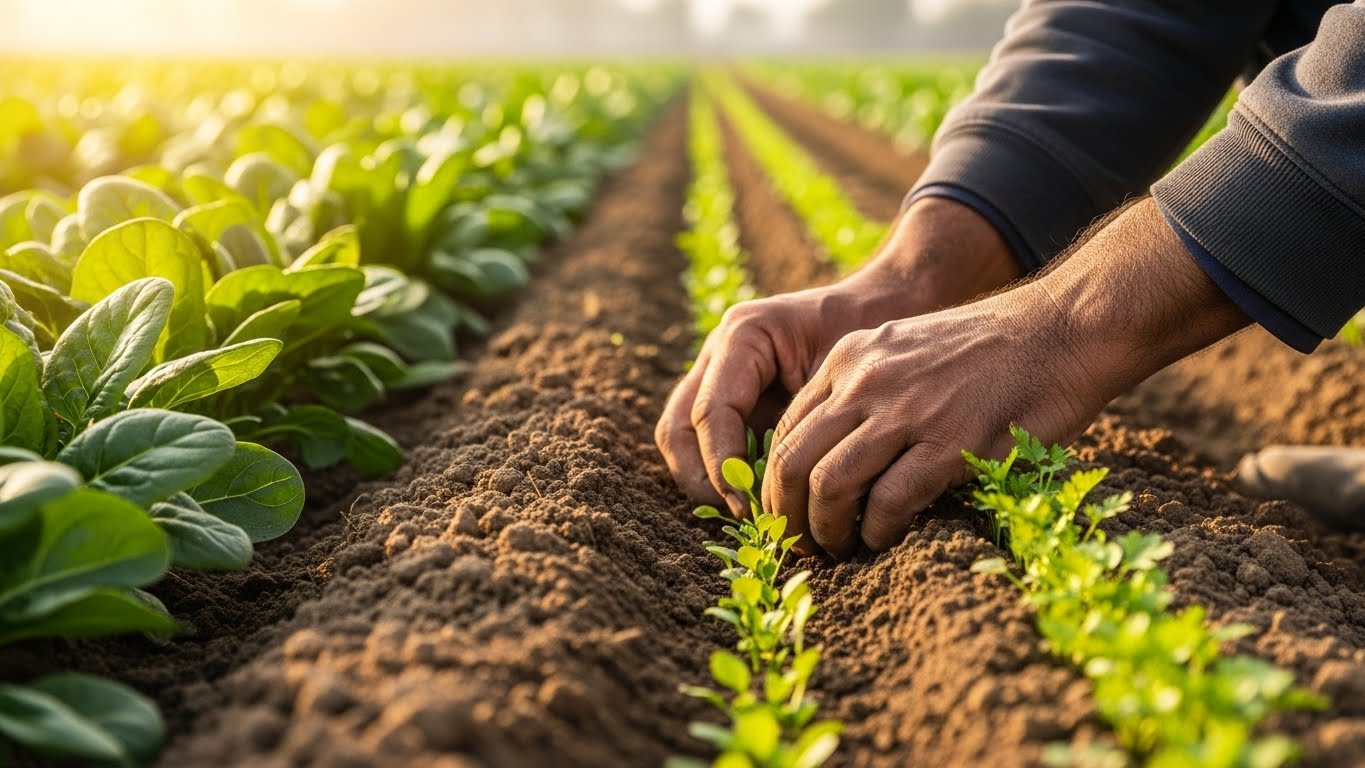
January falls smack dab in the middle of Punjab’s Rabi season – the golden period of cool weather that makes it the perfect time to plant many of the region’s favorite vegetables. So, if you’re thinking about your farm land or your backyard garden, and wondering what you can plant now, you’re timing couldn’t be better!
And the good news is… there are still plenty of opportunities to get planting this month, whether you’re a commercial farmer or simply want to grow fresh veggies for your family.
What’s Really Growing Well in Punjab Right Now
January may not be the optimal time to plant every single type of winter crop, however. While some of the veggies you’ll read about below will grow fine when planted in January, many other types of veggies would’ve done much better if they’d been planted in October or November. However, that shouldn’t leave you feeling hopeless. Many crops can still thrive when planted or transplanted in January, and if you’ve already got some winter crops growing, now’s the perfect time to focus on maintaining and harvesting those crops.
Some Winter Veggies You Can Still Plant in January:
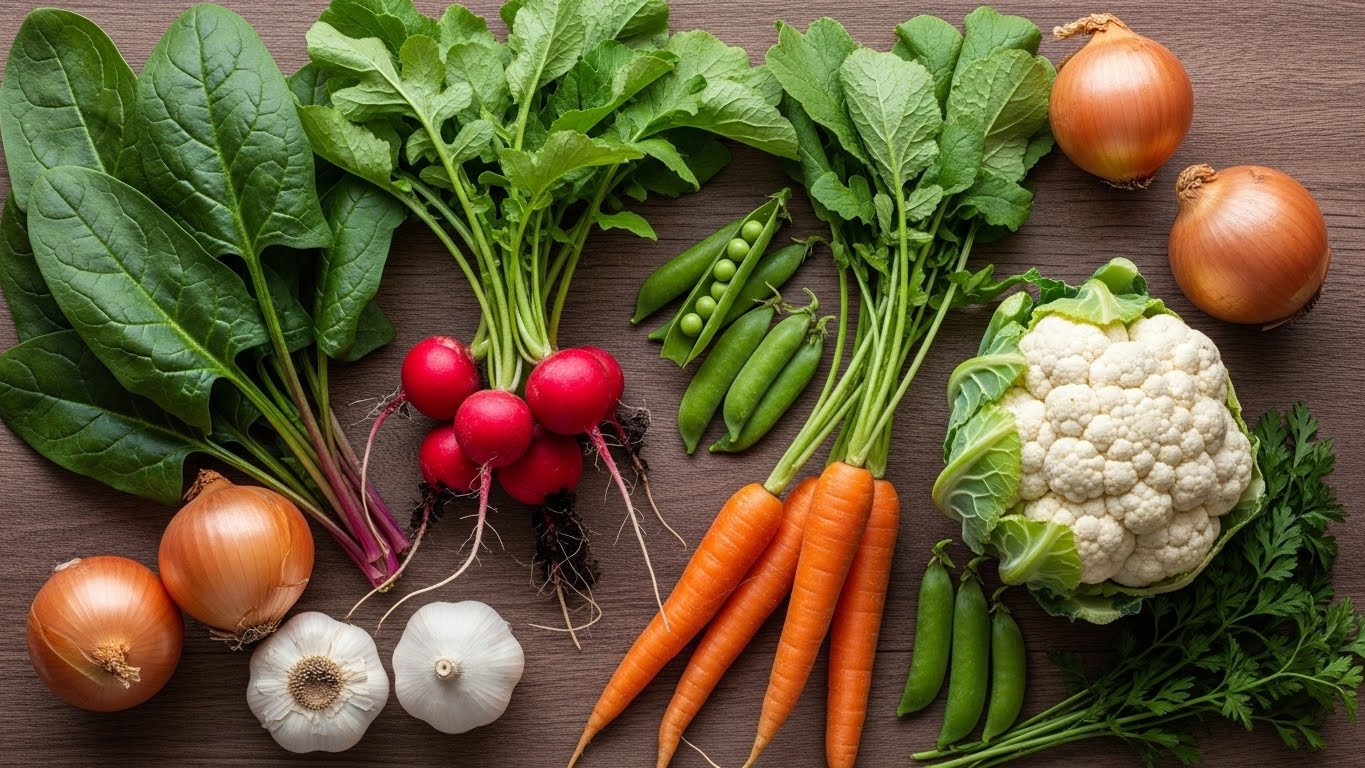
🌿 Leafy Greens - The leafy greens are your friends this month! Spinach, methi (fenugreek), coriander, and lettuce can all be sown directly into your garden bed. All are quick-growing and love the January weather.
🌱 Radishes - Another great option for January are radishes. Like leafy greens, they grow fast and you’ll have fresh mooli in your kitchen in about 30 days.
🥕 Carrots, Turnips & Beets - While carrots will still go in the ground if you plant them early in January, they’ll probably take longer to reach maturity than they would have if you had planted them in the fall. Same goes for turnips and beets. The key is to get them established before the warm weather kicks in later in February.
🥦 Cole Crops (Cauliflower, Cabbage, Broccoli) - If you prepped seedlings in December (and, honestly, that’s something smart gardeners should’ve been doing), now’s the time to transplant cauliflower, cabbage, and broccoli. Cole crops love the cool weather to develop their heads, and January transplants can still produce reasonable yields if you treat them right.
🫛 Peas - Peas are really flexible regarding planting times. You can sow pea seeds throughout January, but the sooner the better. Both garden peas and sugar snap peas will grow fine.
🧅 Onions & Garlic - Onions from sets or transplants? Yes! Plant those in the ground now. Same with garlic if you didn’t already plant it, although, technically, you should’ve gotten that done in December.
What About Commercial Farmers?
As far as commercial farmers are concerned, the potato planting season is basically over — the spring crop should’ve gone in by mid-February at the earliest, based on the old calendar. However, that’s an interesting development.
The government has made several major announcements regarding potatoes. For example, Prime Minister Shehbaz Sharif recently opened a new Seed Potato Production and Processing Complex at the National Agricultural Research Centre in Islamabad. And it’s a big deal. Pakistan has long relied on imported seed potatoes from the Netherlands, which cost hundreds of millions of rupees each year. This new complex uses aeroponic technology (essentially growing potatoes in the air/mist rather than soil) and can produce 50-60 tubers per plant compared to just five using traditional methods.
Additionally, researchers at the Potato Research Institute in Sahiwal have developed a potato variety called Ijaz-22 that’s resistant to the increasingly problematic winter smog that affects agricultural yields in Punjab.
Big Picture: What’s Going on in Pakistan’s Agriculture Sector
You can’t talk about farming in Punjab without mentioning the challenges we’re all dealing with. Water shortages continue to worsen. Smog has become a serious agricultural issue, not just an environmental and health problem. However, there are some positive developments happening.
Pakistan saw a “notable” increase in agricultural exports last year, with exports up by roughly $3 to $3.5 billion compared to the prior year. Much of that was due to favorable market conditions abroad and the timeliness of Pakistani exporters’ responses to those market conditions.
Additionally, the government is working to modernize agriculture, including through corporate farming and attracting foreign investment to improve agricultural productivity. Just this month, federal minister Rana Tanveer Hussain opened the National Speed Breeding Facility.
However, structural issues persist. For example, livestock generates almost 60% of agricultural GDP but receives less than 1% of public funding. Crop subsidies, mostly for traditional crops like wheat and rice, are crowding out higher-value crops such as fruits/vegetables, pulses, and oilseeds. Additionally, while we spend massive sums importing many of these same crops that we can grow ourselves for a profit.
What to Do Now
To start the new year of growing, whether you are a small-scale homeowner or grow acres of land, the key is to know what really matters:
Soil preparation is essential. While the soil type varies throughout the province, most winter vegetables require well-draining soil with adequate levels of organic matter. If your soil is heavy clay, incorporate some compost or well-rotted manure into the soil before planting.
Irrigation also needs to be carefully managed. Winter may be cooler, but do not use that as a reason to stop irrigating. Leafy green vegetables need continuous moisture; while root vegetables such as carrots need to have sufficient deep and infrequent watering to allow for straight root development. Transplanted seedlings need to be regularly watered until they become established.
Be aware of the microclimate. As a large province, Punjab has varying climates. What works very well in Lahore may need to be adjusted in Multan or Rawalpindi. Be aware of your local conditions and frost potential. There are many locations in Punjab that experience occasional frost which can damage young seedlings.
Give enough space to each vegetable. Overcrowding can lead to competition for nutrients, water, and sunlight. Overcrowding can also increase the chance of disease. Provide vegetables with space to breathe. Proper spacing provides better air flow and will make harvesting easier.
Start pest management early. Aphids enjoy eating leafy green vegetables. Cabbage family crops are often attacked by caterpillars. Inspect your crop regularly so you catch any problems before they get out of hand. For small scale growers, organic methods such as neem oil can be effective. Commercial growers should contact their local Agricultural Extension Service for Integrated Pest Management recommendations.
What does all this mean for the current growing season?
You can harvest vegetables through February, March and into early April depending on what types of vegetables you choose. Leafy greens will be harvested first — most varieties take 30-45 days after seeding. Most root vegetables take longer to mature (60-90 days). Brassica family members take even longer (90-120 days) from transplanting to harvesting.
As the Rabi to Zaid (short spring season) begins in March, you will begin to think about planting summer vegetables such as tomatoes, peppers, cucumbers, etc. Right now, however, in January, maximize your production during the winter months.
Watch for changing weather patterns. Due to climate change, previous planting schedules are becoming unreliable. Unpredictable temperature fluctuations (warm and cool) can affect the timing of planting and maturation of your vegetables.
In conclusion,
While January in Punjab still presents viable opportunities for both commercial agricultural production and home gardening, you are not too late; you simply planted later than the ideal time for certain varieties of vegetables. The vegetables that you can still plant will produce well as long as you provide them with good care and maintenance.
The government continues to support the agriculture industry with programs related to seed production, developing smog-resistant varieties and increasing exports. That is a positive sign for the future of agriculture in the province. However, ultimately, success still depends on maintaining high-quality soils, effectively managing water, controlling pests and taking timely actions.
Get your hands in the dirt in January. Sow your leafy greens, transplant your brassicas and sow your peas. The winter harvest is brief but rewarding and there is no comparison to the satisfaction of consuming fresh vegetables grown in your own garden or field.
Punjab's rich agricultural heritage did not develop due to perfect environmental conditions. It developed due to farmers who adapted to what they had and produced successfully. The month of January 2026 will be just another page in that long history.
Need Professional Help?
Our expert team can help you with landscape design, garden maintenance, and all your gardening needs.